
 By
By 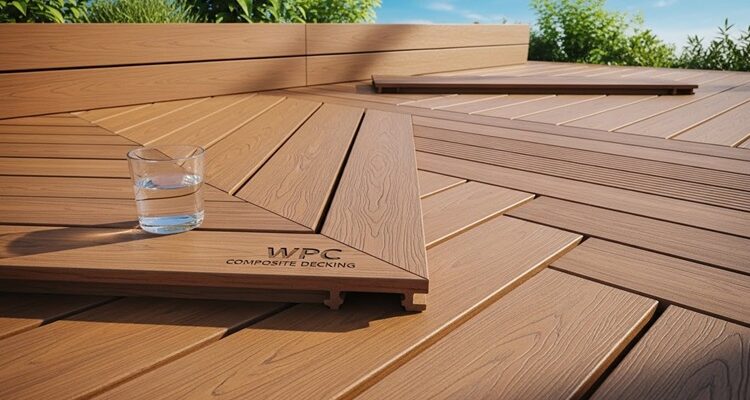
The global construction and outdoor living industry has undergone a significant transformation in recent years, driven by the demand for durable, low-maintenance, and environmentally responsible materials. At the heart of this transformation is the rise of the WPC composite decking manufacturer, a key player in delivering advanced building materials that combine performance, aesthetics, and sustainability. Among the most popular products offered by these manufacturers are wood plastic composite decking and composite exterior cladding, both of which have become preferred alternatives to traditional wood.
As architects, builders, and homeowners seek materials that can withstand harsh outdoor conditions while maintaining a premium appearance, WPC products are increasingly shaping the future of exterior construction and landscape design.
Table of Contents
Understanding the Role of a WPC Composite Decking Manufacturer
A WPC composite decking manufacturer specializes in producing engineered decking boards and related outdoor products using wood plastic composite technology. These manufacturers manage the complete production process from raw material selection and formulation to extrusion, surface finishing, and quality testing.
Unlike conventional wood mills, WPC manufacturers rely on advanced machinery and precise material science to create decking boards with consistent quality and long-term performance. Their expertise ensures that every board meets strict standards for strength, durability, and weather resistance, making WPC decking suitable for residential, commercial, and public outdoor spaces.
What Is Wood Plastic Composite Decking?
Wood plastic composite decking is an innovative building material made by combining natural wood fibers with thermoplastic materials and performance-enhancing additives. This engineered blend is designed to capture the warmth and appearance of natural wood while eliminating many of its traditional weaknesses.
Core Composition
Wood plastic composite decking typically consists of:
- Wood fibers or wood flour, often sourced from recycled wood waste
- Thermoplastic polymers, such as polyethylene or polypropylene
- Additives, including UV stabilizers, color pigments, coupling agents, and lubricants
These components are mixed in carefully controlled ratios to ensure structural stability, dimensional consistency, and resistance to environmental stress.
Why Wood Plastic Composite Decking Is Replacing Traditional Wood
The popularity of wood plastic composite decking continues to grow due to its clear advantages over natural timber.
1. Superior Durability
Traditional wood is vulnerable to rot, insects, cracking, and warping when exposed to moisture and temperature changes. WPC decking, on the other hand, is engineered to resist water absorption, fungal growth, and insect damage, making it ideal for outdoor environments.
2. Low Maintenance Requirements
One of the most attractive benefits of wood plastic composite decking is its minimal maintenance. Unlike wood, which requires regular staining, sealing, or painting, WPC decking only needs occasional cleaning to maintain its appearance. This significantly reduces long-term maintenance costs.
3. Long Service Life
High-quality WPC decking can last for decades without losing its structural integrity or visual appeal. This long lifespan makes it a cost-effective investment for both residential and commercial projects.
4. Consistent Appearance
Because WPC boards are manufactured under controlled conditions, they offer uniform color, texture, and dimensions. This consistency ensures a clean and professional look across large installations.
5. Enhanced Safety
Wood plastic composite decking features smooth, splinter-free surfaces and can be designed with slip-resistant textures, making it safer for children, pets, and high-traffic areas such as pool decks and walkways.
The Manufacturing Process of Wood Plastic Composite Decking
A reliable WPC composite decking manufacturer follows a highly structured and precise production process to ensure quality and consistency.
Material Preparation
Raw wood fibers are dried to remove excess moisture, while plastic materials are cleaned and processed. Proper preparation is essential to ensure strong bonding between materials.
Blending and Compounding
The wood fibers, plastics, and additives are blended together in exact proportions. This step determines the final performance characteristics of the decking boards.
Extrusion
The blended material is heated and extruded through specially designed molds to form decking profiles. This process ensures uniform density and structural stability.
Surface Finishing
After extrusion, the boards undergo surface treatments such as embossing, brushing, or sanding. These finishes enhance the wood-like appearance and improve slip resistance.
Cutting and Inspection
Decking boards are cut to standard lengths and inspected for dimensional accuracy, surface quality, and color consistency.
Quality Control
Professional manufacturers conduct mechanical, environmental, and visual tests to ensure each batch meets performance standards before packaging and shipment.
Applications of Wood Plastic Composite Decking
Wood plastic composite decking is a versatile solution used across a wide range of outdoor applications:
- Residential decks and patios
- Balconies and rooftop terraces
- Poolside areas
- Garden walkways and boardwalks
- Outdoor seating areas
- Commercial and hospitality projects
Its ability to perform in diverse climates makes it suitable for both urban and coastal environments.
Composite Exterior Cladding: A Modern Facade SolutionBeyond decking, composite exterior cladding is another key product offered by advanced WPC manufacturers. Exterior cladding serves as a protective and decorative layer for building facades, enhancing both durability and visual appeal.
What Is Composite Exterior Cladding?
Composite exterior cladding is made from wood plastic composite materials designed specifically for vertical installation on building exteriors. These panels protect structures from weather exposure while providing a contemporary, wood-inspired aesthetic.
Benefits of Composite Exterior Cladding
1. Weather Resistance
Composite exterior cladding resists moisture, UV radiation, and temperature fluctuations, preventing common problems such as cracking, fading, and swelling.
2. Low Maintenance
Like WPC decking, composite cladding does not require painting or sealing, making it an ideal solution for large building facades where maintenance access may be limited.
3. Architectural Versatility
Composite exterior cladding is available in various colors, profiles, and textures, allowing architects to create modern, minimalist, or natural-looking designs.
4. Improved Building Protection
By acting as an additional protective layer, composite cladding helps extend the life of the building structure underneath.
5. Sustainable Construction Choice
The use of recycled materials and reduced reliance on natural timber supports environmentally responsible building practices.
Where Composite Exterior Cladding Is Used
Composite exterior cladding is widely applied in:
- Residential homes and villas
- Commercial office buildings
- Hotels and resorts
- Retail spaces and shopping centers
- Educational and public buildings
Its balance of performance and appearance makes it suitable for both modern and traditional architectural styles.
Sustainability and Environmental Responsibility
Sustainability is a core advantage of products developed by a reputable WPC composite decking manufacturer. By utilizing recycled wood fibers and plastics, WPC production helps reduce deforestation and plastic waste.
Additionally, the long lifespan of wood plastic composite decking and cladding reduces the need for frequent replacements, lowering overall environmental impact throughout the product lifecycle.
Choosing the Right WPC Composite Decking Manufacturer
Selecting a professional manufacturer is essential to ensure product reliability and long-term performance. Key factors to consider include:
- Manufacturing experience and production capacity
- Quality control standards and certifications
- Customization options for colors and profiles
- Technical support and installation guidance
- Commitment to sustainable practices
A trusted manufacturer delivers not only products but also consistent quality and professional support throughout the project.
The Future of Outdoor Construction Materials
As outdoor living spaces continue to evolve, demand for durable and visually appealing materials will only increase. Wood plastic composite decking and composite exterior cladding represent the future of exterior construction, offering a balance between natural aesthetics and engineered performance.
With continuous innovation in materials science and manufacturing techniques, the role of the WPC composite decking manufacturer will remain critical in shaping sustainable, low-maintenance, and high-performance outdoor environments.
Conclusion
The rapid growth of wood plastic composite materials has redefined how outdoor spaces and building exteriors are designed and constructed. Through advanced production processes, a professional WPC composite decking manufacturer delivers high-quality wood plastic composite decking and composite exterior cladding that meet modern demands for durability, safety, and sustainability.
Whether used for residential decks, commercial facades, or public spaces, WPC products offer a long-lasting and environmentally responsible solution that continues to replace traditional wood across the globe.





Comments